
For many South Asian and Indian American families, asking for help with mental health can feel like breaking an unspoken rule. As an Indian American counselor, and as a researcher who studies help-seeking in South Asian communities and churches, I hear the same hesitations again and again: What will people say? Shouldn't prayer be enough? We don't talk about these things outside the family.
Those questions deserve respect, not dismissal. Here is what tends to get in the way, and what actually helps.
What makes seeking help hard
Family honor and shame
In many South Asian families, a person's struggles are felt as the family's struggles. Concern about reputation, often called izzat or family honor, can make counseling feel like exposing the family to judgment, especially in close-knit church and community networks.
Distress explained only as a spiritual problem
Faith is a profound source of strength. But when anxiety, depression, or trauma are framed only as weak faith or spiritual failure, people can carry shame on top of suffering. Scripture and clinical care are not rivals; both can be part of healing.
Two cultures, one person
Children of immigrants often live between their parents' expectations and the culture around them. Career pressure, marriage expectations, gender roles, and different ideas about independence can create quiet, chronic stress that is hard to name.
Strength that hides struggle
Many immigrant families survived by enduring. That resilience is real and admirable. It can also mean distress goes unspoken until it shows up as physical symptoms, conflict, or burnout.
What a culturally responsive counselor does
- Honors family without forcing a choice. Counseling should not ask you to reject your family or culture. It helps you understand your story and choose how to live it.
- Integrates faith at your invitation. For clients who want it, prayer, Scripture, and spiritual questions can be part of the work, alongside evidence-based care.
- Knows the cultural context. You should not have to spend sessions explaining arranged marriage conversations, joint family dynamics, or what it means to be the eldest child.
- Uses evidence-based, trauma-informed methods. Cultural understanding and clinical skill belong together.
- Protects privacy. Confidentiality matters even more when communities are close-knit. Online counseling can add another layer of privacy.
How churches can help
South Asian churches have enormous influence on how members view mental health. When pastors speak openly about depression and anxiety, normalize counseling, and keep a list of trusted Christian and culturally aware counselors, people get help sooner. My research on South Asian churches' perceptions of trauma and mental health services grew out of this conviction.
Finding support in Texas
If you live in Texas, I offer online counseling, with faith-integrated care available if you choose, for adults and couples, including South Asian, Desi, and immigrant families, from Dallas, Plano, Frisco, Wylie, Rowlett, and anywhere in the state. For churches serving South Asian communities, I offer mental health training and speaking that honors both faith and culture.
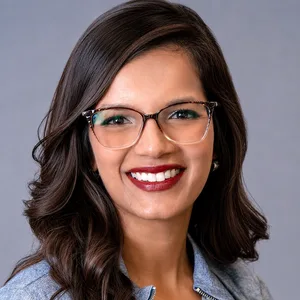
Dr. Nancy Thomas, PhD, LPC-S is a counselor educator, Texas Licensed Professional Counselor-Supervisor, and national speaker on faith and mental health, trauma, multicultural counseling, and supervision. Read more about Dr. Thomas.